A complete hydraulic system consists of five parts, namely power components, actuating components, control components, auxiliary components, and working medium.
The function of power components is to convert the mechanical energy of the prime mover into the pressure energy of the liquid. The power component refers to the hydraulic pump in the hydraulic system, which provides power to the entire hydraulic system. The structural forms of hydraulic pumps generally include gear pumps, vane pumps, plunger pumps, and screw pumps.
The function of the actuator is to convert the pressure energy of the liquid into mechanical energy, driving the load to perform linear reciprocating or rotary motion. The executing components include hydraulic cylinders and hydraulic motors.
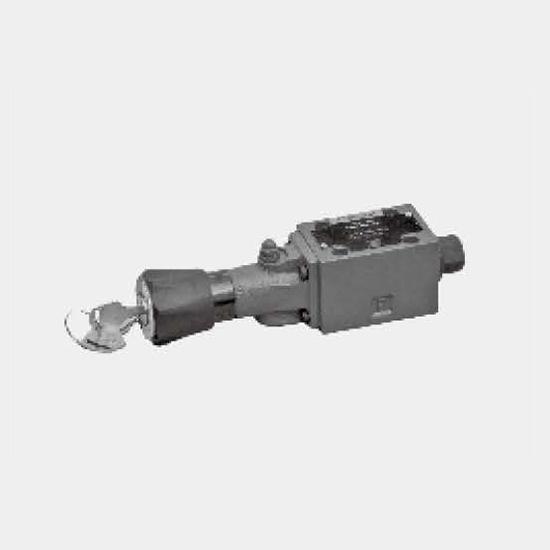
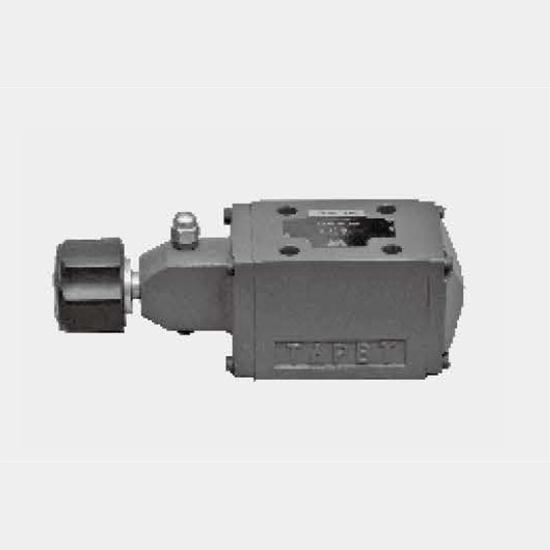
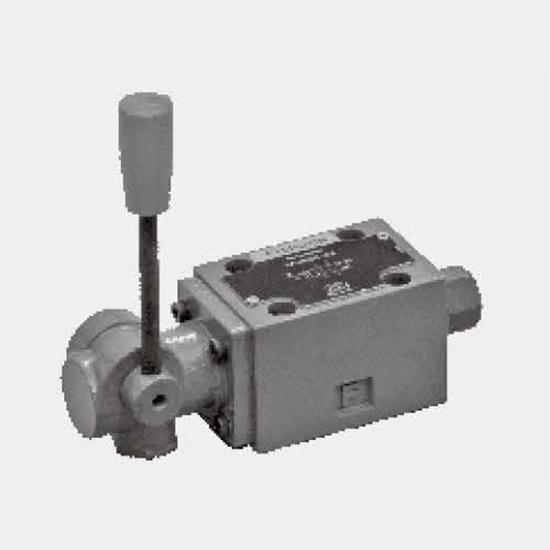
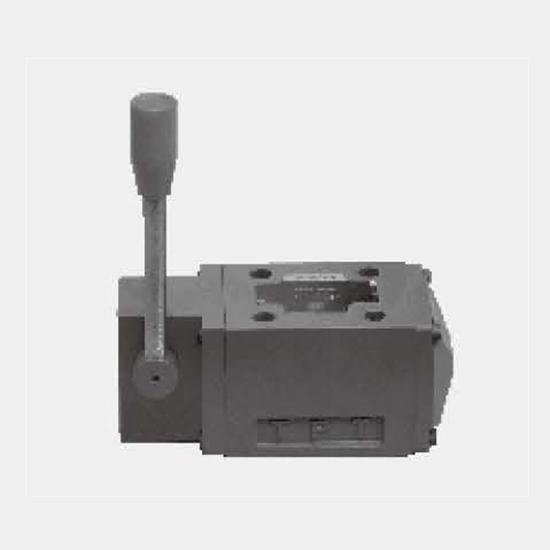
Control components (i.e. various hydraulic valves) control and regulate the pressure, flow rate, and direction of fluids in hydraulic systems.
According to different control functions, hydraulic valves can be divided into pressure control valves, flow control valves, and directional control valves. Pressure control valves are divided into relief valves (safety valves), pressure reducing valves, sequence valves, pressure relays, etc; Flow control valves include throttle valves, regulating valves, diversion and collection valves, etc; Directional control valves include one-way valves, hydraulic control one-way valves, shuttle valves, directional valves, etc. According to different control methods, hydraulic valves can be divided into switch type control valves, fixed value control valves, and proportional control valves.
Auxiliary components include accumulators, filters, coolers, heaters, oil pipes, pipe joints, oil tanks, pressure gauges, flow meters, sealing devices, etc. They play auxiliary roles in connecting, storing, filtering, and measuring oil pressure. Please refer to "Hydraulic Transmission" and "Hydraulic System Design Series" for reference.
Working medium refers to hydraulic oil or emulsion in various hydraulic transmissions, including various mineral oils, emulsions, and synthetic hydraulic oils. The hydraulic system achieves motion and power transmission through it.
Hydraulic components can be divided into three categories: power components, control components, and actuating components. Although they are all hydraulic components, their own functions and technical requirements for installation and use are also different. The following are introduced separately:
Power components: Refers to various hydraulic pumps, gear pumps, vane pumps, plunger pumps, and screw pumps.
1. There are two structural types of gear oil pumps and series pumps (including external and internal meshing).
2. Vane oil pumps (including single-stage pumps, variable displacement pumps, two-stage pumps, and twin pumps).
3. Piston oil pumps are divided into axial piston oil pumps and radial piston oil pumps. Axial piston pumps include quantitative pumps, variable displacement pumps (variable displacement pumps are further divided into manual variable and pressure compensation variables, servo variables, etc.), and are structurally divided into two types of oil distribution: end face oil distribution and valve type oil distribution. The oil distribution type of radial piston pumps is basically valve type oil distribution. );
Execution components: hydraulic cylinder and hydraulic motor. Hydraulic cylinders include piston hydraulic cylinder, plunger hydraulic cylinder, swing hydraulic cylinder, and combination hydraulic cylinder; Hydraulic motors include gear hydraulic motors, blade hydraulic motors, and plunger hydraulic motors;
Control components: directional control valve, one-way valve, directional valve;
Pressure control valves: overflow valves, pressure reducing valves, sequence valves, pressure relays, etc;
Flow control valves: throttle valve, speed regulating valve, diversion valve;
Auxiliary components: Other components besides the above three parts, including pressure gauges, oil filters, energy storage devices, coolers, pipe fittings (mainly including various pipe joints (expansion type, welding type, sleeve type, SAE flange), high-pressure ball valves, quick change joints, hose assemblies, pressure measuring joints, pipe clamps, etc.) and oil tanks, are equally important.